Address
304 North Cardinal St.
Dorchester Center, MA 02124
Work Hours
Monday to Friday: 7AM - 7PM
Weekend: 10AM - 5PM
Updates about classical music
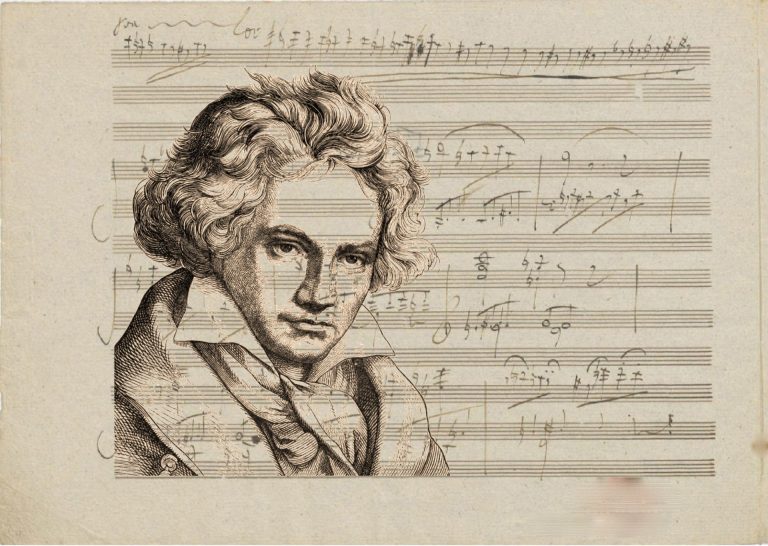
Beethoven: Sparks of Joy – Four hands are better than two, Op. 6 piano sonata With an opening theme that resembles the Fifth Symphony, Beethoven’s Opus 6 sonata for piano four hands is a rarely heard gem. Due to its…
Beethoven: Sparks of Joy — Three nations on Mars; Beethoven’s triple concerto. The space agencies of three different countries – the United States, China, and the United Arab Emirates – have successfully arrived at Mars and begun a promising collaboration…
Beethoven: Sparks of Joy — the master’s climactic Op. 111 finishes his use of the sonata form. Although Beethoven would go on to compose other works for solo piano, the Opus 111 is Beethoven’s climactic finish to the sonata form.…
Beethoven: Sparks of Joy — Opus 110 well-known, presents a gamut of settings, much like a great drama. Opus 110 is the most popular of Beethoven’s late sonatas. The opening is lyrical and warm, and is followed by an exuberant…
Beethoven: Sparks of Joy — Wonder and human ingenuity got us to Mars, and this Beethoven song reflects upon such human qualities. The ongoing exploration of Mars by scientists of three nations leads one to ponder the true nature of…
Beethoven: Sparks of Joy — Op. 109 is the predecessor to the Hammerklavier. The Opus 109 sonata is a much smaller work than its immediate predecessor, the “Hammerklavier”. It has a fantasy-like first movement followed by a quick prestissimo, and…
Beethoven: Sparks of Joy — Op. 106, “Hammerklavier,” enfolds soul-wrenching drive with those unknown last moments of a Mars landing. The Opus 106 “Hammerklavier”, Beethoven’s 29th sonata, is one of the most demanding works in the entire keyboard repertoire. Magnificent…
Beethoven: Sparks of Joy – Op. 101 begins his “late period” sonatas. The Opus 101 is generally regarded as the first of the “late period” sonatas, in which Beethoven takes advantage of the expanded range and sturdier construction of the…
Beethoven’s sonata Op. 90 follows Napoleon’s defeat. Five years would lapse before another piano sonata appeared since Napoleon’s storming of Vienna. During these years, Beethoven composed his Mass in C, and organized a successful revival of his opera, now called…
Beethoven’s rebuke of Napoleonic forces; a sonata for Archduke Rudolph. Napoleon’s forces approached Vienna in April of 1809, forcing the nobility to flee to their country estates, and Beethoven to shelter in his brother’s cellar, with pillows strapped over his…