Address
304 North Cardinal St.
Dorchester Center, MA 02124
Work Hours
Monday to Friday: 7AM - 7PM
Weekend: 10AM - 5PM
General updates about activity the Schiller Institute is concerned about
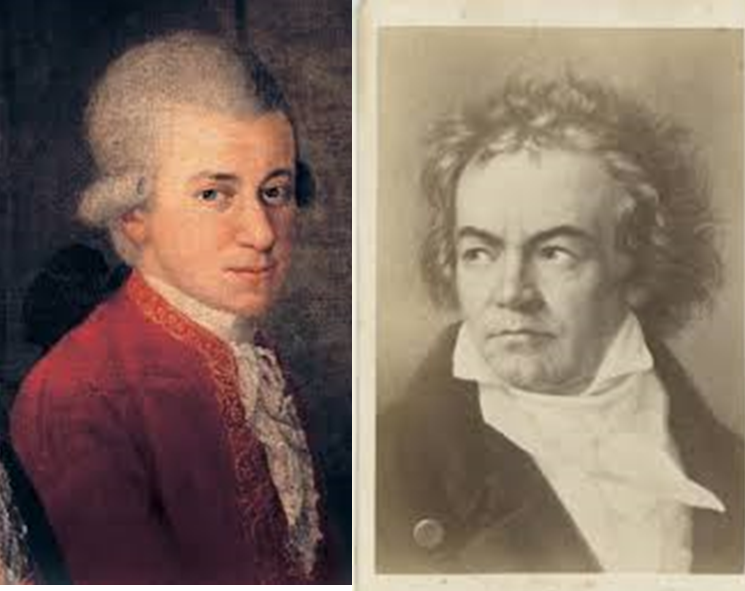
Mozart’s birthday; Beethoven’s regard for him. Notes by Margaret Scialdone. ~ As January 27th is the 265th birthday of Wolfgang Amadeus Mozart, we’ll step away from the sonatas for a few days and allow Beethoven to pay homage to his…

“Green” Means No Humanity – Stop the Great Reset! The Schiller Institute website has launched a new page intended to generate a scientific discussion on the fraud of the “climate science” now being used to justify the global drive toward…

Schiller Institute NYC Chorus Robert Burns – Friend of FreedomJoin us for a birthday celebration.Sunday, January 24th, 6:00 pm EST As the story goes, in 1793, at a private dinner in England, when the host proposed the health of William Pitt [first…
Beethoven Opus 119 Bagatelles Notes by Margaret Scialdone The Opus 119 Bagatelles appeared in London in 1823 as “Trifles for the Piano Forte, Consisting of Eleven pleasing Pieces Composed in Various Styles by L. Van Beethoven”. They are quite accessible…
Beethoven’s Final Sonata Opus 111 Notes by Margaret Scialdone After completing his 32nd and final piano sonata, Beethoven is said to have made the astonishing remark that the piano is “after all, an unsatisfactory instrument”. This work does indeed strain…
Beethoven’s “Der Erlkönig” Notes by Margaret Scialdone Goethe’s poem “Der Erlkönig” tells the story of a boy riding home on horseback in his father’s arms. He is frightened when he hears the seductive voice of the Erl King, a powerful…
Beethoven’s humor—“The Test of Kisses” Notes by Fred Haight This song, “Prüfung des Küssens, WoO 89” (The Test of Kissing), was composed between 1790–1791, for Bonn’s Electoral singer, Joseph Lux. It is for a bass and orchestra. The author of…
Beethoven : Creatures of Prometheus Notes by Margaret Scialdone In 1801 the ballet master Salvatore Viganó was commanded to prepare a performance for Empress Maria Theresa. He chose the subject of Prometheus giving science and the arts to Mankind, and…
When Beethoven Becomes Hilarious! Notes by Fred Haight We have had several episodes on Beethoven’s sense of humor. Today, we cross over into utter hilarity. Beethoven composed folk songs in many languages, including English, Italian, Danish, and Russian. The first…
Goethe and Beethoven: “Getting Along with Girls” Notes by Fred Haight The Classics are often associated with imagery of stuffy-old-white-male who have nothing relatable for the contemporary youth generation. We beg to differ. Goethe’s Mit Mädeln sich Vertragen (Getting Along…